Tuesday, December 04, 2018

~ Smart devices & human behaviors ~

Has been a while since I blogged. No, I haven't taken digital detox. 

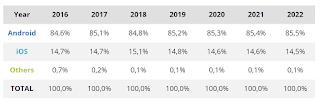
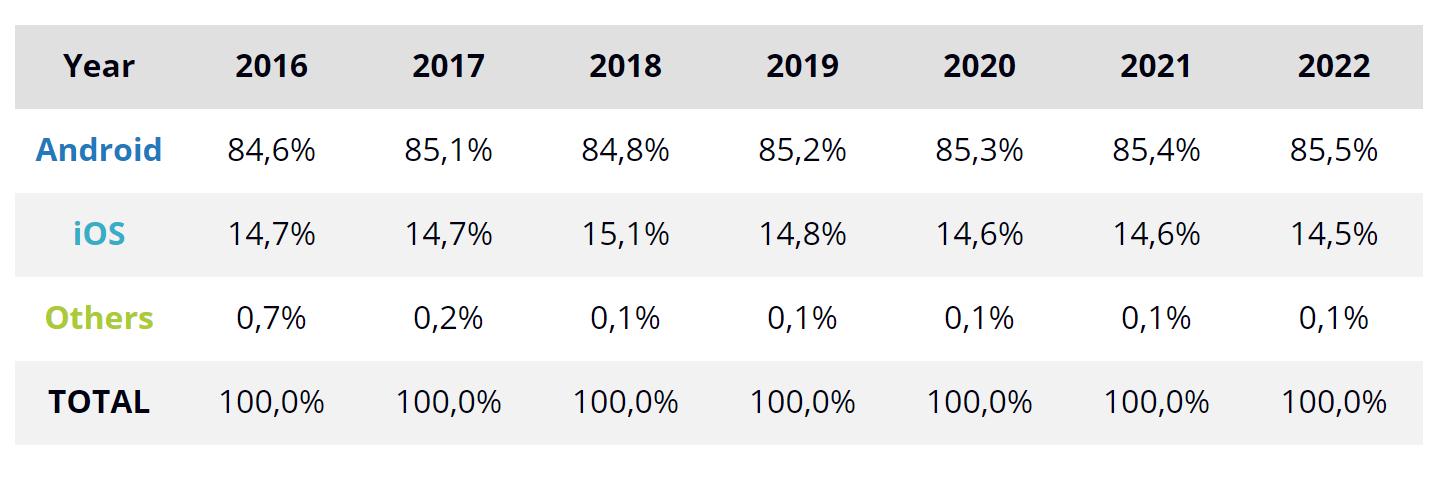
Even though the smart mobiles have been there since 1998, Symbian Era (1), smartphones became popular after Apple's debut of iPhone in 2007. The success of iPhone, is not because of the smartphone itself. AppStore is the reason behind success of iPhone - Ease of search and discovering apps, app installation & updates, in-app purchases, push notifications, managing devices became seamless and convenient. The rapid adoption and explosion of smart-devices, primarily smartphones, from 2013 till now can be attributed mainly due to drop in prices of smartphones especially in the Android space. iPhone in most parts of the world is still a premium device & while Android enjoys the 84.8% of market share according to IDC report (1). 

We now have more smartphones than the population on the planet - "With 7.7 billion subscribers by the end of 2017, 103.4% of the world population currently hold a subscription to mobile cellular telephony on average" (2)

The primary objective of the post was to write about how slowly and steadily the smart-devices are playing a major role in our daily lives with adopting more & more connected devices within our homes. 
Smartphones have made urban living easy and at the same time lazy. We have an application (app) for almost anything and getting things done without moving inch from the couch.
  1. Shopping - medicines, clothing, books, toys
  2. Streaming content - video, music, audiobooks
  3. Navigating city traffic
  4. Commuting - hailing a cab within Bangalore or in another city within India or outside
  5. Booking - hotels, flights, buses, trains
  6. Ordering food 
  7. Reviews or local directory lookup
  8. Buy / Sell - Used items
  9. Financial - payments, MF investments, trading, retail banking
  10. 24x7 - Delivery or pickup
  11. SocialMedia or Networking
  12. Messaging or Communication - Email, SMS, Video
  13. Video and Photo 
  14. Utilities - Speedtest, Scan, FileTransfer
Most people have a minimum of 1 app per category. In some categories, people install up-to 4/5 apps. With so many apps installed, people use most of these apps for transactional purposes. It's only the SocialMedia apps - Facebook, Instagram, Twitter - which are trigger apps used often and lose track of time. Below is an interesting data point on how 1/3rd of online population find it difficult to break the habit from technology.


Watch this video to find out how Apple & Google have introduced new features to manage screen time per app in their latest iteration of OS. 


Personally, I have disconnected from Facebook in July 2015 and never looked back. However, I do spend significant amount of time on Twitter reading / following various subjects of interests. That's something that I need to work upon myself in the coming months to decrease the screen time.

Below are some insights into human behaviors 


Gen Z: A Look Inside Its Mobile-First Mindset (4)


What online activities do Indians do on their smartphones at least weekly? (5)

The OTT experience: Understanding connected living room audiences 2018 (6)

  • In fact, Americans collectively spend nearly 8 billion hours per month consuming content on connected TV devices—such as Roku, Apple TV and Amazon Fire.
  • Consumers 13 and older who watch content on connected devices spend an average of more than an hour daily, compared to 36 minutes on the computer and 24 minutes on mobile devices, such as smartphones and tablets 

Always Connected: How smartphones and social keeps us engaged (7)

  • Half of total US population uses Smartphones i.e 155.1 Million people (2012)
  • Primary usage: Text/Message, Talk, Message on FB. All of them are direct communication.
  • Wake up call: Within the first 15 minutes of waking up, 4 out of 5 smartphone owners are checking their phones.

References:

1. Symbian OS 
2. Smartphone OS market-share 
3. Mobile market penetration
4. Gen Z: A Look Inside Its Mobile-First Mindset
5. Consumer Barometer India 
6. The OTT experience: Understanding connected living room audiences 
7. Always Connected 

Thursday, December 28, 2017

~ Top Songs | 2017 ~

Here are the top songs that I have listened to on Spotify -


Alternatively, you can find the playlist here

Saturday, April 22, 2017

~ Future of transportation: Lilium ~

This week, Lilium Jet, successfully completed its maiden flight in Bavaria. So what's special about it? Well, it happens to be "world's first electric vertical take-⁠off and landing jet". While most technology companies are looking at disrupting the transport sector with automated cars, the implementation / realisation of the project has been hindered for various reasons in many cities after initial test runs. 

The Market

As many cities, in the developing countries, have been expanding inorganically due to lack of town planning or sustainable policies from governments & transportation department; the chaos can be very much experienced by everyone who is living or visiting the city. One such city is Bangalore, the valley of South Asia. Anyone who has stayed here for a month or more can relate to the traffic snarls across the town. 

The Disruptors

Compared to other cities in India, Bangalore has decent public transportation system via state-run BMTC & limited Namma Metro coverage. We have on-demand cab & rickshaw hailing services from Uber & Ola. To that, add all types wheelers - 2, 3, 4 & 6 - both the private & commercial vehicles, on the roads of Bangalore. This creates enough chaos which throws life out of gear for moving from Place A to Place B. I feel any new means of urban road transportation will not solve the problem for a population of 8.42 Million people, due to the lack of infrastructure & bad planning. 

Metro

Even though the implementation of metro is challenging considering the hurdles of land acquisition & terrain, it offers a more economical option to carry more number of people in the cities.

Electric Jet

Lilium, an electric jet, that can do a vertical take-off and landing could be the key disruptor in not just urban transportation in developed & developing countries. This jet can solve the transportation problem as it doesn't need much infrastructure to land & take-off making it a viable on-demand service. The USPs of Lilium (source: lilium.com): 


Here is the maiden flight of Lilium that happened on 20th April 2017.

Sunday, November 06, 2016

~ Think. Act. Recycle ~

It all began when me & wife visited Lavannya's home 2+ years ago, Aug 2014. Spotted a Kambha in her backyard and asked her what it was. After an introduction to Kambha & seeing the impact of composting at her organic-jungle or rooftop garden we decided to go for composting at home.

A photo posted by Lavannya (@lavannyag) on

A photo posted by Lavannya (@lavannyag) on

I shared the idea with Malhar and we both decided try composting at our homes. Thanks to Malhar who gifted 3T Kambha from DailyDump & our experimentation began. Whenever one tries to introduce something new, it is more often met with resistance & the same thing happened at home. Parents didn't accept the experimentation easily, it took almost 3 months for them to come out of regular process. 

During the rainy spells of Oct & Nov in Bangalore, the maggots used to crawl outside the Kambha and wander all over our backyard. When it occurred the first time, during a weekday, my dad was furious that they were all over the place & they didn't know what needed to be done. After returning home that evening, cleaned up the place & did some reading on how to tackle them. 


The maggots play an active & important role in composting process. They munch on all the veggies / fruits. The video shows how they devour the food waste.

A video posted by Vivek (@vevck) on

After 3-4 months of composting, our first compost was ready for use in the garden. It was mixed in some of the pots and the end results were amazing. The plants responded very well & the harvest of tomatoes, beans, spinach was good. 

A photo posted by Vivek (@vevck) on

A photo posted by Vivek (@vevck) on

A photo posted by Vivek (@vevck) on

A photo posted by Vivek (@vevck) on

A photo posted by Vivek (@vevck) on

A photo posted by Vivek (@vevck) on

This June, we spotted a runner in our garden and couldn't identify until the flowers began fruiting. We realised that the runner was actually Musk Melon plant. Thanks to composting, all the veggies and fruit waste that goes into kambha, composting process and eventually into the soil led to the germination of the musk melon seed into plants in the garden. 

A photo posted by Vivek (@vevck) on

Composting has some pleasant surprises too.


A photo posted by Vivek (@vevck) on

In the past 26 months, none of the kitchen waste has left our home and has been recycled. It isn't tough process, but requires discipline and 10 mins of your time everyday. Make this part of your routine and it shall become an habit, that makes significant difference to Earth

All the learning happened due to recycling of the kitchen waste from our home. So, recycle & help reduce the wet waste that leaves your home. If each one of does our bit then the burden on city's ecosystem would reduce significantly. 


There are plenty of online resources available for one to learn the art of composting. DailyDump has good resources where one can learn the basicsDon't wait, start today and begin composting at your home.


Sunday, October 16, 2016

~ Butterflies ~

Was looking for something on my Instagram feed and then came across one butterfly photo. Then thought let me go down the memory lane and see how many of these colourful flies I have captured one my smartphone.

Was pleasantly surprised to see the number of clicks. Here you go! 

A photo posted by Vivek (@vevck) on


A photo posted by Vivek (@vevck) on


A photo posted by Vivek (@vevck) on


A photo posted by Vivek (@vevck) on


A photo posted by Vivek (@vevck) on


A photo posted by Vivek (@vevck) on


A photo posted by Vivek (@vevck) on


A photo posted by Vivek (@vevck) on


A photo posted by Vivek (@vevck) on


A photo posted by Vivek (@vevck) on


A photo posted by Vivek (@vevck) on


A photo posted by Vivek (@vevck) on


A photo posted by Vivek (@vevck) on


A photo posted by Vivek (@vevck) on


A photo posted by Vivek (@vevck) on


A photo posted by Vivek (@vevck) on


Thursday, October 13, 2016

~ AIR Bengaluru | FM station ~

I was only aware of the AIR (Android) app through which I used to listen to Raagam station. Thanks to Harsha's tweet I got to know that All India Radio (AIR), Bengaluru also broadcast their radio stations on internet. 


Two options:

1. Listen to below stations on AIR Bangalore site 

2. Via Playlist - Have created a playlist of all the above stations, which allows easy switching of stations while commuting / working, without having to visit web-browser. Import the playlist in iTunes or VLC & you are set to stream. Download the playlist file.

Saturday, March 05, 2016

~ Killing time in Bangalore traffic ~

I lose (spend) 3 hours of my day in Bangalore traffic. That's significant amount of time for me. Here are some ways I kill (utilise) time while commuting in office shuttle. 

  1. Read a book - kindle fits the need
  2. Listen to music - if I need to relax
  3. Talk to friends - helps me keep connected with friends regularly.
  4. Twitter - mostly evenings
  5. Sleep - if too tired
  6. Youtube Offline - Dev Talks, TED, Documentaries, John Oliver, NewsLaundry, etc
  7. News / Blogs - Mostly aggregate content on Pocket. 
    1. Pocket - really cool app if you are an avid reader. 
    2. Medium, has some great content too.

If you are an urban commuter in Bangalore or elsewhere, who happens to spend gruelling hours travelling in traffic then I would like to know how do you kill your time?